
Edible oil refining process systems
Refining crude oil into high-quality edible oil begins with control of every stage, from degumming, neutralization and dewaxing to bleaching and deodorization to reduce GE and 3-MCPD. Each step in the edible oil manufacturing process is to enhance purity, safety, taste and appearance. With Alfa Laval’s advanced edible oil refining process solutions, you can optimize your entire edible oil production line, deliver consistent quality, reduce operating costs, and keep pace with growing a demand.
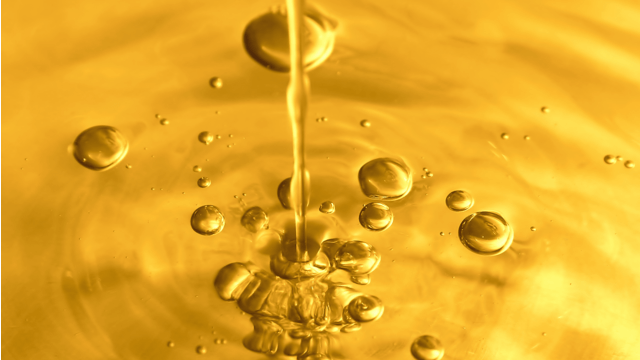
Versatile, highly reliable, easy-to-operate systems for quality edible oils
- Broad range of robust, reliable and easy-to-operate components, equipment and systems
- Expertise to integrate edible oil processing equipment into custom applications
- Vast experience in edible oil refining system design, installation, commissioning, and service and support
- High product quality and yield with minimal losses and reduced utility usage
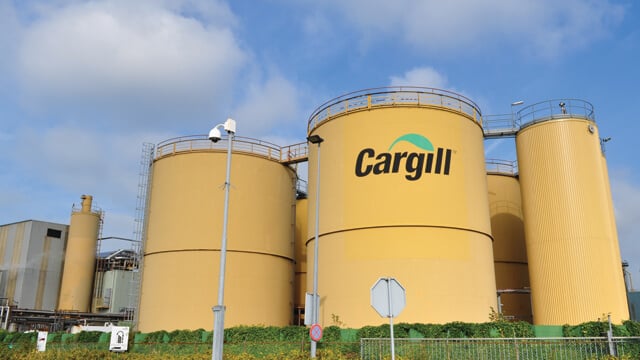
Alfa Laval is fully responsible, and I don't have to worry about a thing." - Henk Vedder, Maintenance Manager, Cargill, Amsterdam.
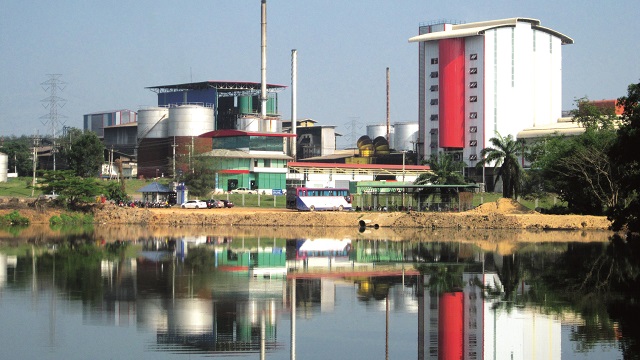
Alfa Laval experts really know what to do, how to repair things and how to deal with the problems. We insist on always going back to Alfa Laval for after-sales service. - Haji Matan Ibrahim, Mill Manager/Chief Engineer of Kilang Sawit Bukit Bandi.
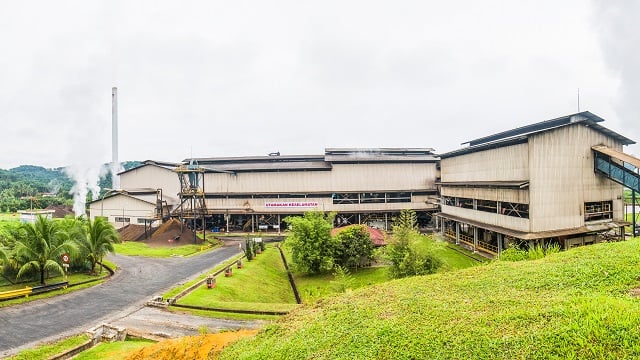
We get regular support from Alfa Laval team. We are happy with the Alfa Laval team.” - Ramhari Gaikwad, technical manager, Shalimar Nutrients.
Our edible oil production process line portfolio
After oil clarification (for pressed oils), the oil can be refined as shown below.
The crude oil is then transferred either to special degumming in the physical refining route, to water degumming, or directly to neutralization in the chemical refining route. In the chemical refining route, free fatty acids undergo a reaction to create aqueous soap, which is removed from the oil in centrifuges. The physical refining route removes only some impurities (mostly phosphatides, also known as phospholipids or gums) from the oil. Some oils, such as sunflower and corn, go through a dewaxing step to achieve the prescribed cold stability, that is, to be able to retain clarity at low temperatures. The bleaching process removes additional impurities, such as metals, soap residues and color components. Finally, to prolong shelf life, the oil undergoes deodorization to initiate thermal decomposition of residual color, any components lending unwanted taste, and peroxides. Volatile compounds (mostly fatty acids) are removed via steam stripping at about 240 – 260°C under vacuum. Fatty acid distillate is produced as a valuable by-product in the physical refining route, much less so for the chemical refining route.
Last but not least, take advantage of our Utility Process Systems to further cut operational costs in your edible oil refinery plants by reducing utility expenses – whether power, process water, steam, fuel and/or cooling media.
Our customers:
References
- More than 500 refineries (with neutralization/degumming, bleaching, deodorization)
- More than 140 dewaxing plants
- More than 75 dry fractionation plants
- More than 50 hydrogenation plants
- More than 30 interesterification plants
Publications
See an extensive list of peer-reviewed publications by Alfa Laval's experienced experts.
Our expert says
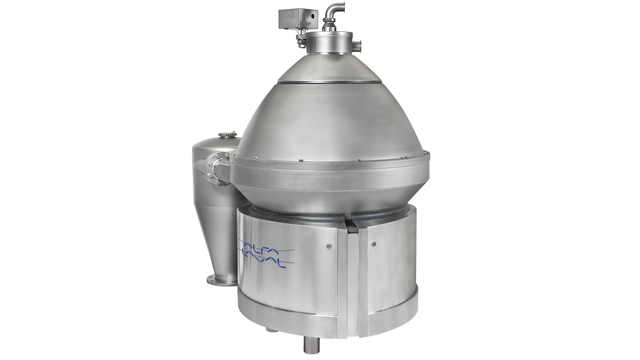
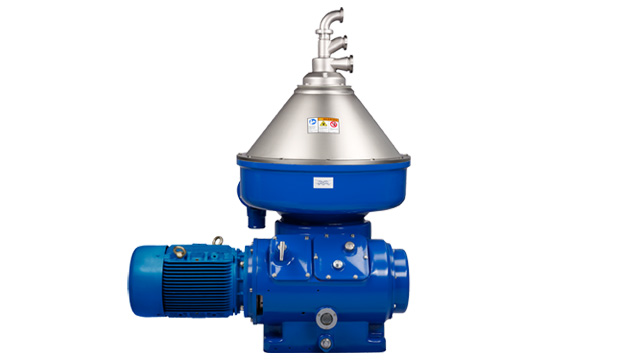
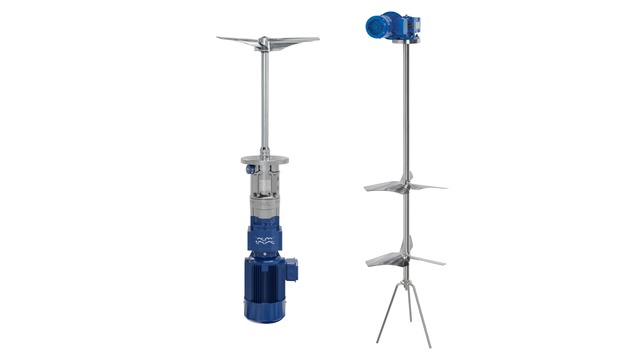
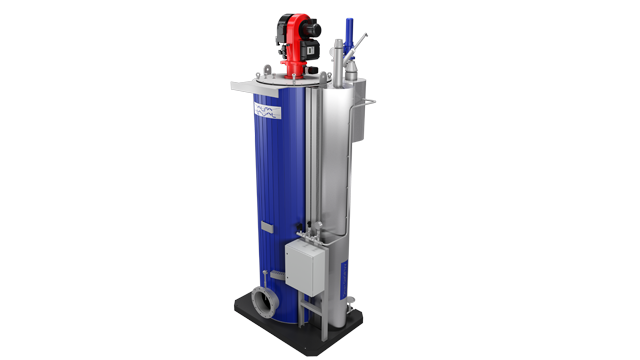
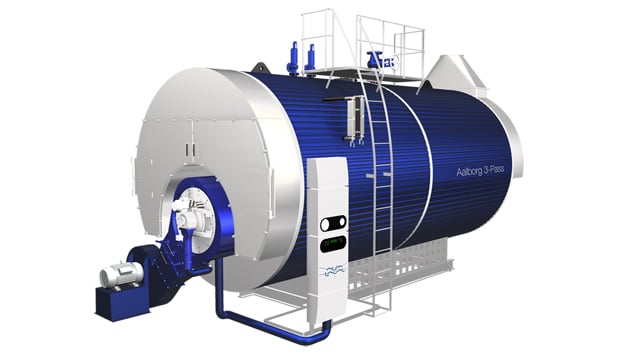
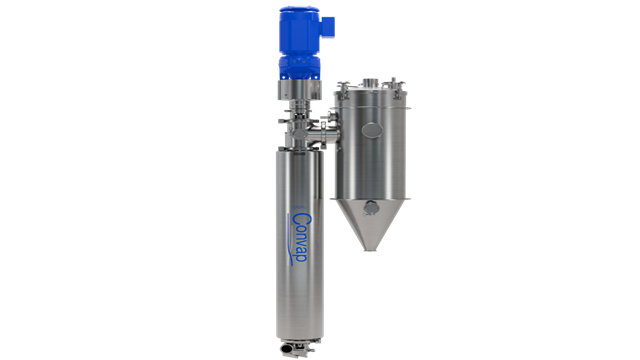
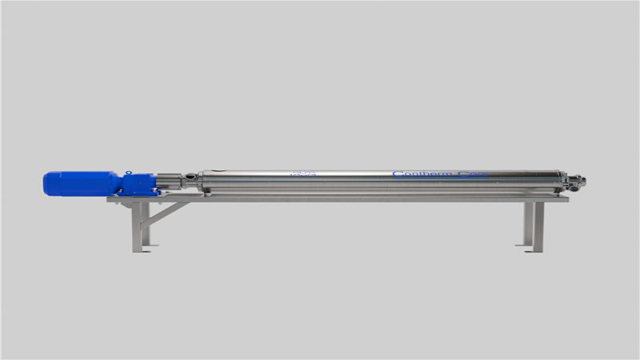
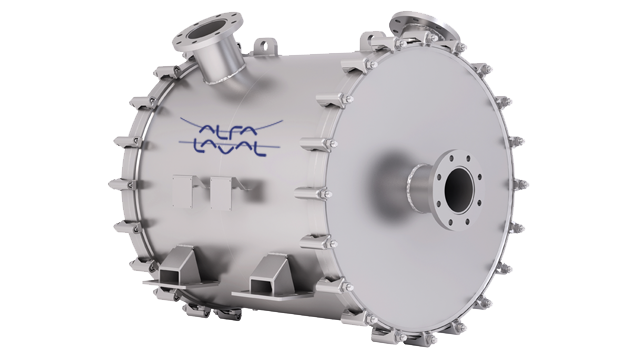
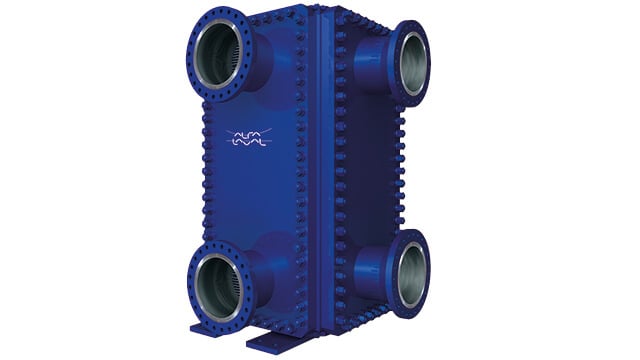
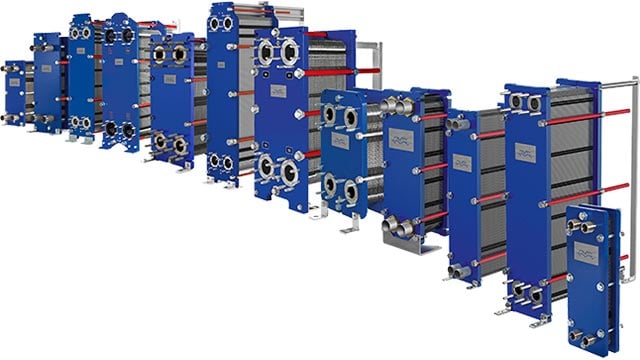
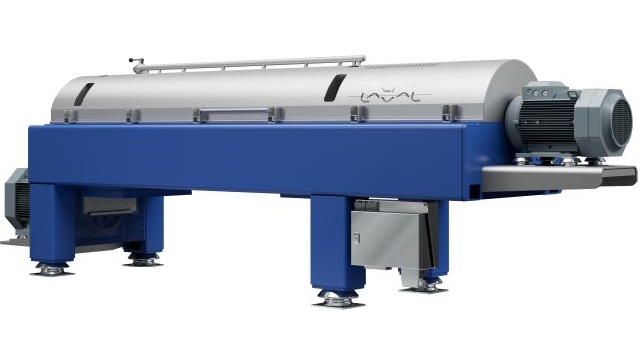
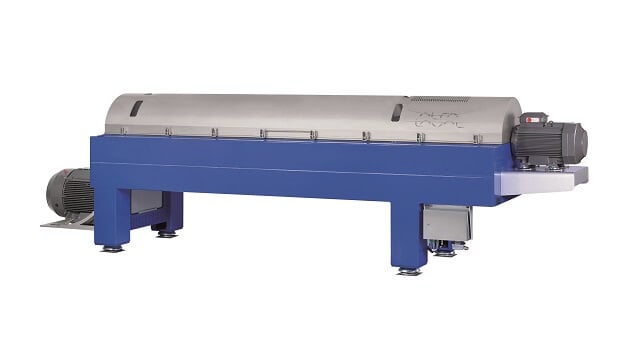
Core Alfa Laval edible oil refinery equipment:

Webinars for the Edible Oil industry
Our experts share know-how to optimize edible oil refining processes, remove impurities and volatile components for better product quality, safety and yield.